The Hidden Meaning in Every Comment
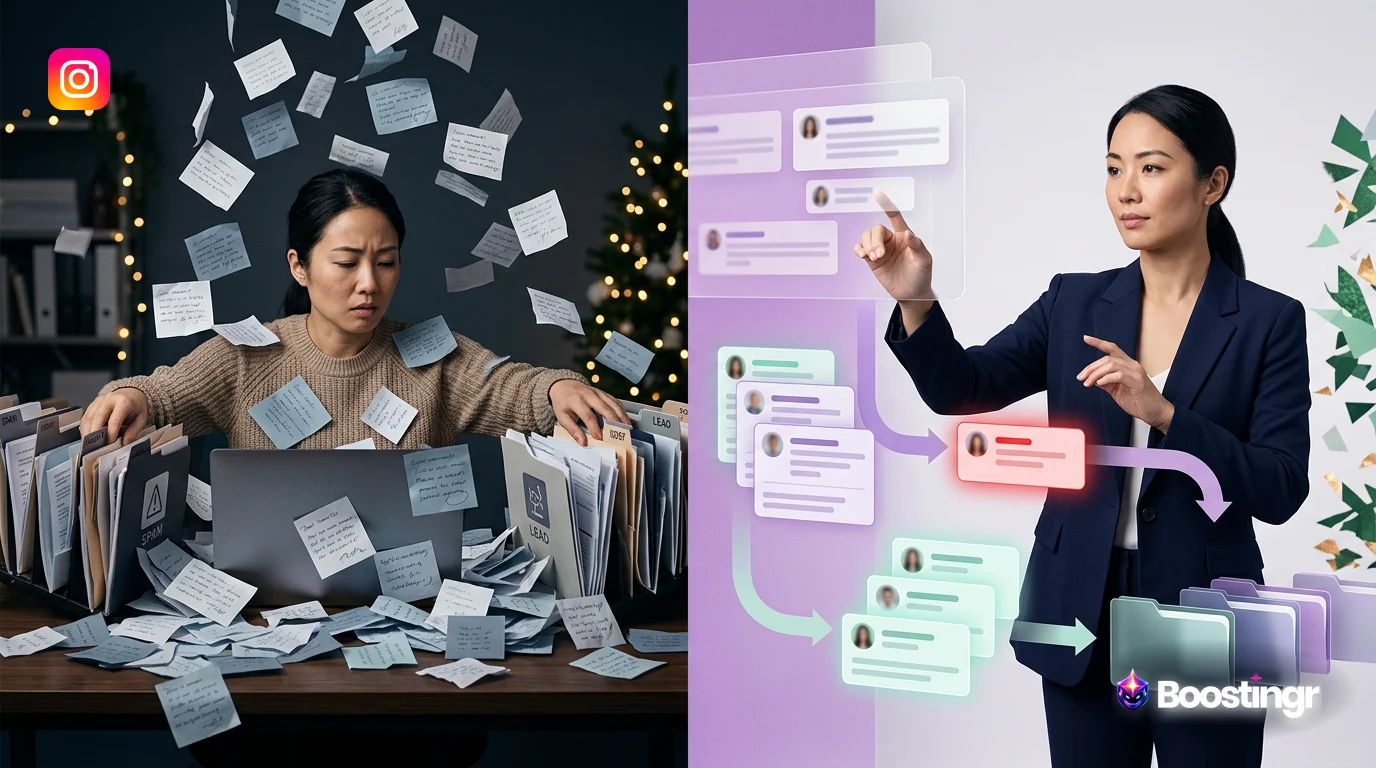
Your brand's social media posts are buzzing. The comment section is a flurry of activity—likes, questions, complaints, and praise. For a growing brand, this is both a blessing and a curse. High volume means high engagement, but it also means high overhead for your social media managers. Manually sifting through hundreds or thousands of comments to find the golden nuggets—the sales leads, the urgent support issues, the PR crises in the making—is an impossible task.
For years, the go-to solution was sentiment analysis, a technology that sorts comments into 'positive,' 'negative,' and 'neutral' buckets. It was a step forward, but it's a blunt instrument in a world that demands surgical precision. A sarcastic comment can be misread as positive. A desperate plea for help buried in a neutral-sounding question can be missed entirely. The most critical comment of all, "Where can I buy this?", often gets lost in the noise.
This is where the next evolution in community management comes in: **intent detection for comments**. It’s not just about understanding *how* a person feels, but *what* they want to *do*. It’s the difference between knowing a customer is unhappy and knowing they need a refund for a specific order. It's the difference between seeing a positive comment and recognizing it as a powerful, user-generated testimonial you can leverage.
This guide will explore how **intent detection for comments** is revolutionizing social media management. We'll break down what it is, why it's superior to sentiment analysis alone, and how you can implement it to drive smarter replies, capture more leads, and build an intelligent, scalable escalation workflow. With a platform like Boostingr, this advanced AI capability becomes the central nervous system of your community intelligence strategy.
What is Intent Detection for Comments?
**Intent detection for comments** is an application of Artificial Intelligence (AI) and Natural Language Processing (NLP) that analyzes text to determine the underlying purpose or goal of a user's comment. Instead of just gauging the emotional tone, it identifies the user's objective. Are they asking a question, trying to make a purchase, lodging a complaint, offering praise, or simply trying to cause trouble?
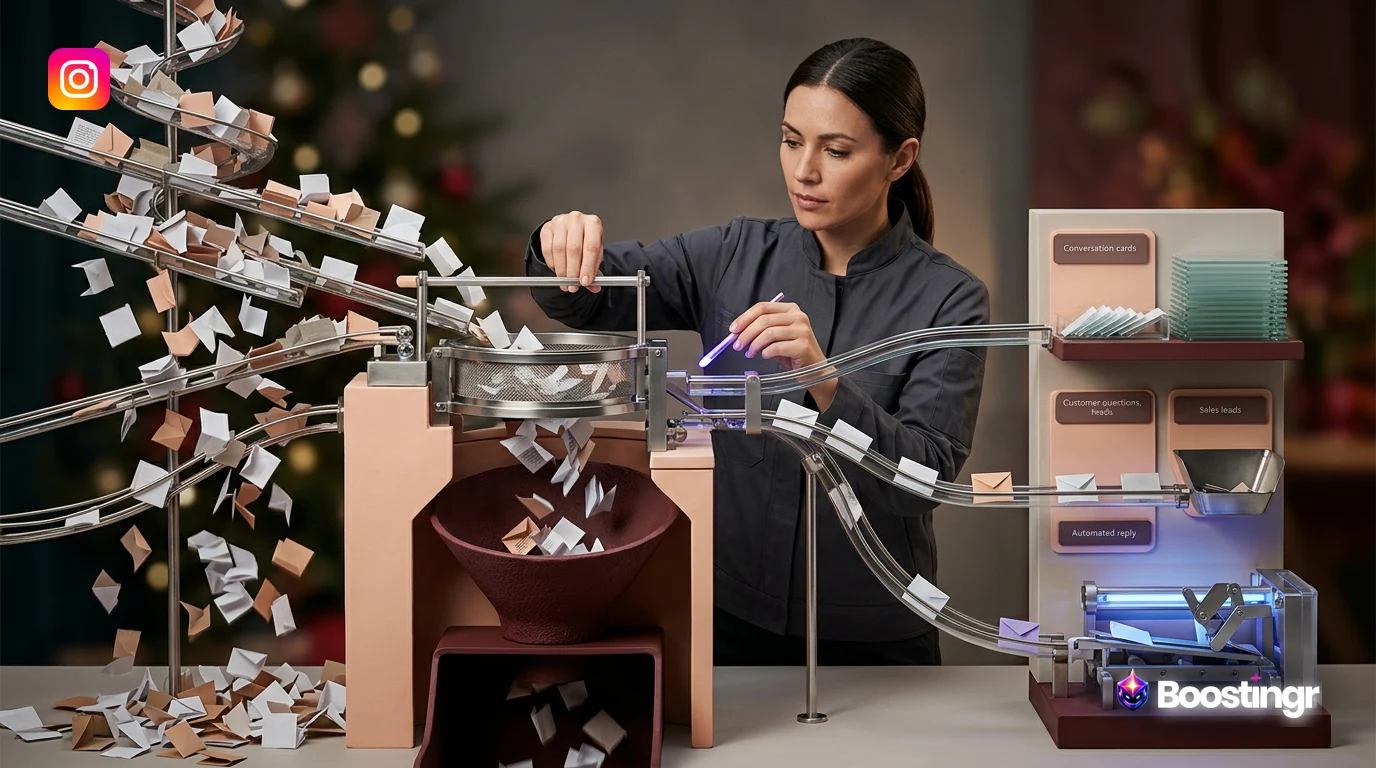
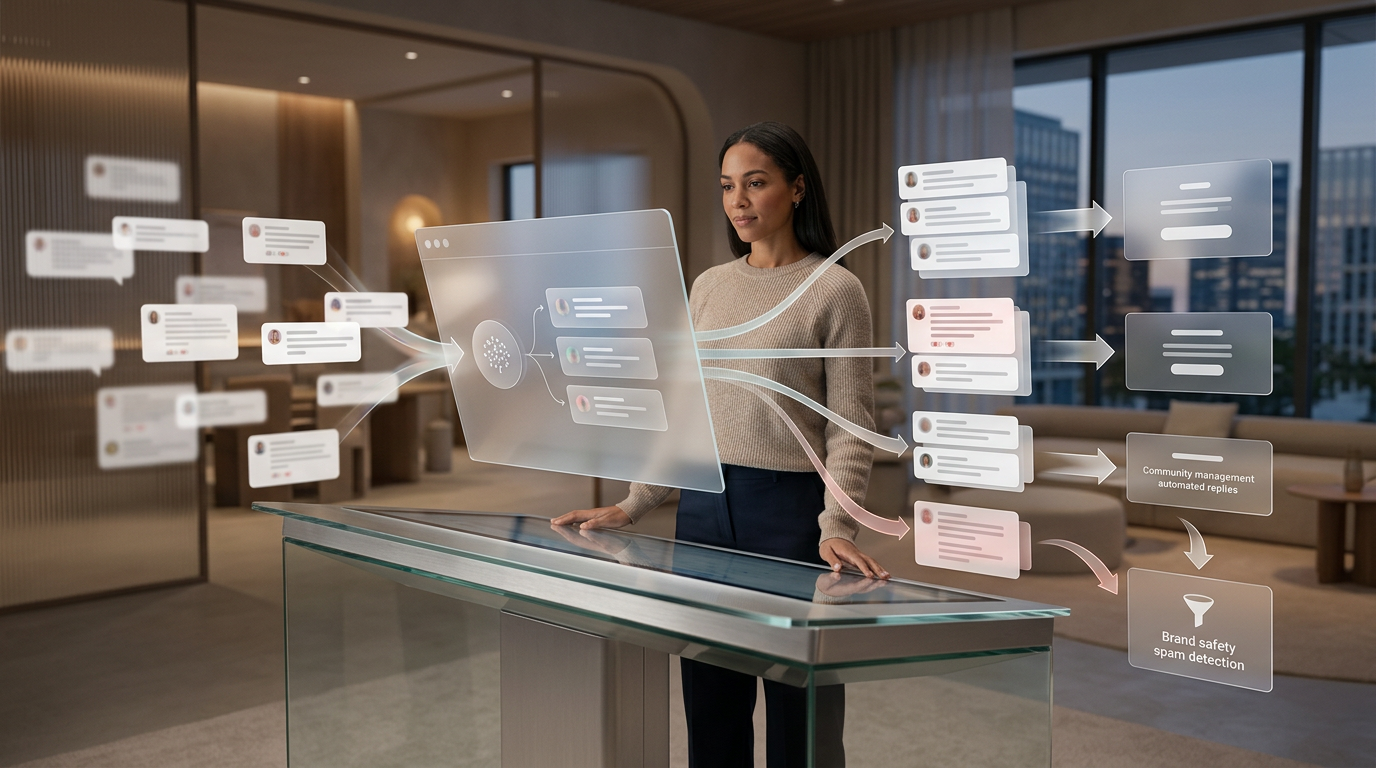
Think of it as a highly skilled digital assistant who reads every single comment and sorts it into actionable categories. This AI doesn't just see words; it understands context, nuance, and motivation. It's the core technology that powers a truly intelligent AI social media assistant.
Here’s a breakdown of what makes intent detection so powerful:
* **Goes Beyond Keywords:** Simple keyword filtering is primitive. A user might type "money back" to ask about a guarantee (pre-sale question) or to demand a refund (post-sale complaint). Intent detection understands the surrounding context to differentiate these two very different scenarios. * **Focuses on Action:** The output of intent detection is inherently actionable. When an intent like "Purchase Intent" is identified, it triggers a specific workflow, such as sending a DM with a product link. When "Urgent Complaint" is detected, it can automatically alert a senior manager. * **Provides Deeper Insights:** By tracking the volume of different intents over time, you gain invaluable community intelligence. Are you seeing a spike in questions about shipping? That's a signal to clarify your shipping policy. Is there a surge in praise for a new feature? That’s data you can take to your product team.
In essence, while sentiment analysis tells you the 'vibe' of your comment section, **intent detection for comments** gives you a concrete, operational roadmap for how to respond.
Why Sentiment Analysis Isn't Enough
For a long time, sentiment analysis for social media comments was the peak of comment moderation technology. It helped brands get a general pulse on their audience's reaction. However, its limitations become glaringly obvious in high-stakes situations.
Consider this comment on a post about a new skincare product:
> *"I'm so excited to try this, it looks amazing! But I have sensitive skin, will it cause a breakout? And I can't find the price anywhere." *
A traditional sentiment analysis tool might classify this as 'mixed' or even 'positive' because of the first clause. But what's really happening here?
* **Intent 1: Pre-Sale Question:** "will it cause a breakout?" * **Intent 2: Purchase Intent / Question:** "I can't find the price anywhere." * **Intent 3: Praise:** "it looks amazing!"
A social media manager needs to address the questions to close the sale. Simply liking the 'positive' comment is a missed opportunity. An AI powered by **intent detection for comments** can parse this single comment into its constituent parts and trigger multiple actions: provide a pre-written answer about sensitive skin, send a DM with a link to the product page, and flag the 'praise' portion for potential use in marketing materials.
Without intent detection, your team is flying blind, relying on guesswork to prioritize their actions. You might spend hours responding to neutral chatter while high-value purchase intent comments go unanswered for days.
Comparison Table
To clarify the distinction, let's compare sentiment analysis and intent detection side-by-side.
| Feature | Sentiment Analysis | Intent Detection for Comments |
|---|---|---|
| **Primary Goal** | To understand the *emotion* or *feeling* of the text. | To understand the *purpose* or *goal* of the user. |
| **Typical Output** | Positive, Negative, Neutral, Mixed. | Purchase Intent, Question, Complaint, Praise, Spam, etc. |
| **Key Question** | "How does the user feel?" | "What does the user want to accomplish?" |
| **Business Use** | Brand health monitoring, campaign reception analysis. | Lead capture, customer support routing, workflow automation. |
| **Actionability** | Low to moderate. Informs strategy. | High. Directly triggers specific, automated actions. |
| **Example Comment** | "Your shipping is a joke." | "Where can I buy the red dress from your last post?" |
| **System Response** | Flags as 'Negative'. | Flags as 'Purchase Intent', sends DM with product link. |
The Core Comment Intents and How to Handle Them
An effective **intent detection for comments** system, like the one built into Boostingr, categorizes comments into distinct, actionable buckets. This allows you to create sophisticated, automated workflows that save time, capture revenue, and protect your brand. Here are the most common intents and the best practices for handling them.
1. Purchase Intent
These are the highest-value comments in your feed. They are direct signals from potential customers who are ready to buy or close to it. * **Examples:** "How much is this?", "Is this available in Canada?", "Link please!", "I need this!" * **Ideal Workflow:** This is a prime use case for an AI Instagram reply bot.
* **Benefit:** You strike while the iron is hot, dramatically reducing the friction between interest and purchase. This is the core of effective Instagram lead capture.
- AI detects "Purchase Intent".
- System automatically replies to the comment: "Thanks for your interest! We've sent you a DM with the details."
- Simultaneously, an automated DM is sent with the product link, price, and other relevant information.
- The user is tagged as a "Lead" in your system for follow-up.
2. Customer Support Questions
These comments can range from simple pre-sale inquiries to urgent post-sale problems. Handling them quickly and efficiently is crucial for customer satisfaction. * **Examples:** "How do I track my order?", "Is this compatible with Windows 11?", "I can't log in, can you help?" * **Ideal Workflow:**
* **Benefit:** Your support team isn't bogged down by repetitive questions, and customers get faster resolutions. This is a key part of mastering rapid responses.
- AI detects "Support Question".
- For common, repetitive questions (e.g., "How to track order?"), the AI can provide an instant, pre-approved answer.
- For complex or account-specific issues, the system automatically escalates the comment by creating a ticket in your helpdesk software (e.g., Zendesk, Gorgias) or notifying the support team via Slack.
3. Complaints & Negative Feedback
Unaddressed complaints are a ticking time bomb for your brand's reputation. Intent detection allows you to identify and defuse these situations immediately. * **Examples:** "This product broke after one use!", "Your customer service is the worst.", "I've been waiting a month for my order!" * **Ideal Workflow:**
* **Benefit:** You control the narrative, prevent public blow-ups, and show the disgruntled customer that you are taking their issue seriously.
- AI detects "Urgent Complaint".
- The system automatically hides the comment to prevent it from derailing the public conversation (you can review and un-hide later).
- An immediate notification is sent to a senior manager or a dedicated PR/crisis team.
- The system can automatically draft a private DM reply, like: "We're so sorry to hear about your experience. To help us resolve this, could you please provide your order number?"
4. Praise & Positive Feedback
These comments are user-generated content gold. They are authentic testimonials that can be more powerful than any ad campaign. * **Examples:** "I'm obsessed with my new jacket!", "Your team was so helpful!", "Best purchase I've made all year." * **Ideal Workflow:**
* **Benefit:** You amplify positive voices, build a stronger community, and gather social proof at scale.
- AI detects "Praise".
- The system can automatically 'like' the comment and send a thank-you reply.
- The comment is tagged and saved in a library of positive testimonials for future marketing use (with permission).
- You could even have a workflow that DMs the user with a small discount code as a thank you, fostering even more loyalty.
5. Spam & Trolling
These comments pollute your community, harm your brand's credibility, and can even pose security risks to your audience. * **Examples:** Comments with suspicious links, crypto scams, irrelevant self-promotion, hate speech, or abusive language. * **Ideal Workflow:** This is where AI moderation shines.
* **Benefit:** Your community remains a safe and positive environment, and your human moderators are freed from the soul-crushing task of manually deleting spam.
- The AI uses advanced AI spam comment detection and troll detection models to identify malicious intent.
- The system automatically and instantly hides or deletes the comment based on your pre-set rules.
- The offending user can be automatically blocked.
Practical Examples and Use Cases
Let's see how **intent detection for comments** plays out in real-world scenarios across different industries.
Use Case 1: The Direct-to-Consumer Fashion Brand
A popular fashion brand, "Urban Threads," posts a video of their new sustainable denim jacket on Instagram. Within an hour, the post has 500 comments.
* **Without Intent Detection:** A social media manager frantically scrolls through, trying to answer questions about price while deleting spam. They miss a comment from a major influencer asking about a collaboration and a lead from someone asking if they ship to Australia.
* **With Boostingr's Intent Detection:** * **35 comments** like "How much?" and "Where to buy?" are flagged as **Purchase Intent**. An automated workflow replies, "DM'ing you the details!" and sends a direct link to the product page, tagging them as "Jacket Leads." * **50 comments** like "Is it true to size?" and "What's the return policy?" are flagged as **Pre-Sale Questions**. The AI provides instant, pre-written answers for the most common ones. * **5 comments** like "My order from last week hasn't shipped" are flagged as **Urgent Support** and are automatically routed to the support team's Slack channel with a link to the user's profile. * **15 comments** with crypto scams are flagged as **Spam** and are instantly hidden. * The one comment from the influencer is flagged as **High-Priority Engagement** and is pushed to the top of the marketing manager's inbox.
**Result:** Leads are captured instantly, support issues are escalated, the feed stays clean, and high-value opportunities are never missed. This is the power of a streamlined Instagram comment workflow automation.
Use Case 2: The B2B SaaS Company
A SaaS company, "DataDrive," announces a major platform update on LinkedIn. The comments are a mix of technical questions, feedback, and competitor comparisons.
* **Without Intent Detection:** The product manager, support lead, and marketing manager all have to read every comment to find the ones relevant to them. Feedback is disorganized and often lost.
* **With Boostingr's Intent Detection:** * Comments like "I found a bug in the new dashboard" are flagged as **Bug Report** and automatically create a ticket in Jira with the comment text. * Comments like "This is great, but it would be even better if you added X feature" are flagged as **Feature Request** and are added to a specific Coda or Notion database for the product team to review. * Comments like "How does this compare to Competitor X?" are flagged as **Competitor Mention** and are sent to the competitive intelligence team. * Comments from existing high-value customers are prioritized for a personal response from their account manager.
**Result:** The company turns its comment section into a real-time, organized feedback and intelligence-gathering machine, directly fueling its product roadmap and competitive strategy.
Use Case 3: The Digital Marketing Agency
An agency, "ScaleUp Social," manages 15 different client accounts, from local restaurants to national e-commerce stores. They need to provide consistent, high-quality service and prove their value.
* **Without Intent Detection:** Their team is overwhelmed. They use a spreadsheet to track important comments, but it's inefficient and prone to error. Reporting to clients is based on vanity metrics like 'likes' and 'comment count'.
* **With Boostingr's Intent Detection:** * The agency creates standardized intent-based workflows that can be deployed across all client accounts, ensuring consistency. This is their blueprint for automation. * For an e-commerce client, they can report, "This month, we captured 85 sales leads directly from comments, with an estimated pipeline value of $4,250." * For a restaurant client, they can report, "We handled 125 reservation inquiries and 15 negative feedback comments before they escalated, protecting your 4.8-star rating." * The AI's **Brand Memory** learns the specifics of each client—product names, common questions, brand voice—ensuring the automated replies are always on-brand.
**Result:** The agency operates with incredible efficiency, reduces manual labor, and provides clients with tangible, ROI-focused reports that clearly demonstrate their impact on the business's bottom line.
Checklist: Getting Started with Intent Detection for Your Comments
Ready to move beyond basic moderation and unlock the power of community intelligence? Follow this checklist to implement a strategy for **intent detection for comments**.
- [ ] **1. Audit Your Current State:** Manually review your last 1000 comments. What are the most common types of intent you see? (e.g., 40% questions, 10% leads, 5% complaints). This gives you a baseline.
- [ ] **2. Define Your Goals:** What is the most important outcome for you? Is it lead generation, reducing support response time, or improving brand safety? Prioritize your goals.
- [ ] **3. Map Your Ideal Workflows:** For each key intent, draw out the perfect response path. If intent is 'Purchase', then reply publicly, send a DM, and tag the user. If intent is 'Complaint', then hide the comment and notify a manager.
- [ ] **4. Choose the Right Platform:** Select a tool that specializes in **intent detection for comments**. Look for platforms like Boostingr that offer pre-trained AI models, a flexible workflow builder, and features like Brand Memory to adapt to your specific needs. Ensure it uses official APIs, like the Instagram Graph API, for safe and reliable automation.
- [ ] **5. Configure Your Rules:** Implement the workflows you mapped out in your chosen platform. Set up your automated replies, escalation triggers, and tagging rules. Start with a conservative approach and expand as you gain confidence.
- [ ] **6. Train Your Team:** Your human moderators are still essential. Train them on the new workflow. Their role shifts from manual sorting to handling high-value escalations and engaging in nuanced conversations that the AI flags for them.
- [ ] **7. Monitor, Analyze, and Refine:** Your work isn't done at setup. Regularly review the AI's performance and your workflow analytics. Are you capturing more leads? Is your response time down? Use the data to continuously refine your rules and improve your strategy. This aligns with Google's own advice for continuous improvement found in their SEO starter guide, which emphasizes monitoring and refinement.
Key Takeaways
- **Intent is the New Frontier:** Moving beyond sentiment analysis to **intent detection for comments** is the single most impactful change you can make to your social media management strategy.
- **Not All Comments Are Equal:** Intent detection allows you to automatically triage comments, prioritizing high-value leads and urgent complaints over general chatter.
- **Automation Drives Efficiency and Revenue:** By automating responses to common intents, you free up your team for high-impact tasks and capture sales opportunities in real-time before they go cold.
- **It's About Action, Not Just Analysis:** The true power of intent detection lies in its ability to trigger specific, automated workflows—from sending a DM to creating a support ticket to alerting a manager.
- **Community Intelligence is a Competitive Advantage:** Analyzing intent trends over time provides invaluable insights into your customers' needs, pain points, and desires, directly informing your product, marketing, and support strategies.
- **A Platform is Essential:** Implementing this at scale requires a dedicated AI comment management platform like Boostingr, which serves as the operating system for your entire community engagement and moderation efforts.
FAQs
**1. What's the difference between intent detection and keyword filtering?** Keyword filtering is a rigid, rule-based system (e.g., if comment contains "price", flag it). It's easily fooled by context. **Intent detection for comments** uses AI to understand the meaning and purpose of the entire sentence. For example, it can differentiate between "What's the price?" (Purchase Intent) and "The price is too high" (Negative Feedback).
**2. How accurate is AI intent detection?** Modern NLP models are incredibly accurate, often exceeding 95% on well-defined tasks. Platforms like Boostingr use pre-trained models that are already experts at understanding social media language. Furthermore, with features like Brand Memory, the AI continuously learns from your team's actions, becoming even more accurate over time for your specific brand.
**3. Can intent detection understand sarcasm?** This is a classic challenge for NLP. While no system is perfect, advanced models are getting much better at detecting sarcasm by analyzing contradictions between the sentiment of the words used and the context of the conversation. For example, "Yeah, I *love* waiting three weeks for a delivery" would be flagged by a sophisticated system as a likely complaint, not praise.
**4. Does this work for languages other than English?** Yes, leading platforms for **intent detection for comments** are multilingual. The underlying AI models can be trained on vast datasets from many different languages, allowing you to manage a global community with the same level of intelligence and automation.
**5. How does intent detection help with lead generation?** It's one of its most powerful applications. The AI instantly identifies comments expressing purchase intent ("Where can I buy this?", "I need one!"). It can then trigger an automated workflow that sends the user a direct message with a link to the product, effectively creating a real-time sales funnel directly from your comment section. This is a core function of Instagram lead capture automation.
**6. Is setting up intent detection complicated?** It doesn't have to be. While the underlying technology is complex, platforms like Boostingr are designed to make it user-friendly. You get access to pre-built intent models and an intuitive visual workflow builder. You can start with simple rules (e.g., route all purchase intent comments to a DM) and build more complex automations over time. Check out our pricing page to see how accessible it can be.
**7. How does this fit into a broader AI comment moderation strategy?** Intent detection is a crucial component of a comprehensive AI comment moderation strategy. While moderation focuses on safety (removing spam, hate speech), intent detection focuses on opportunity and efficiency (identifying leads, support questions). A complete system does both, creating a safe, responsive, and profitable community space.
**8. How can I reply to comments faster using this?** By automatically sorting and prioritizing comments. Instead of a chaotic inbox, your team sees a neatly organized queue. Urgent issues and sales leads are at the top, and common questions are answered automatically. This focus allows your team to reply to important comments faster and more thoughtfully, dramatically improving your engagement metrics.